Centre for Journalism and Trauma Asia Pacific
Regional experts. Regional excellence.
Supporting journalists in the Asia Pacific since 2004
The Centre for Journalism and Trauma Asia Pacific delivers trauma‑informed training, builds strong professional networks, and leads regional change to support safer, more ethical journalism across the Asia Pacific region.
Announcing the 2026 Early Childhood Reporting Institute Cohort
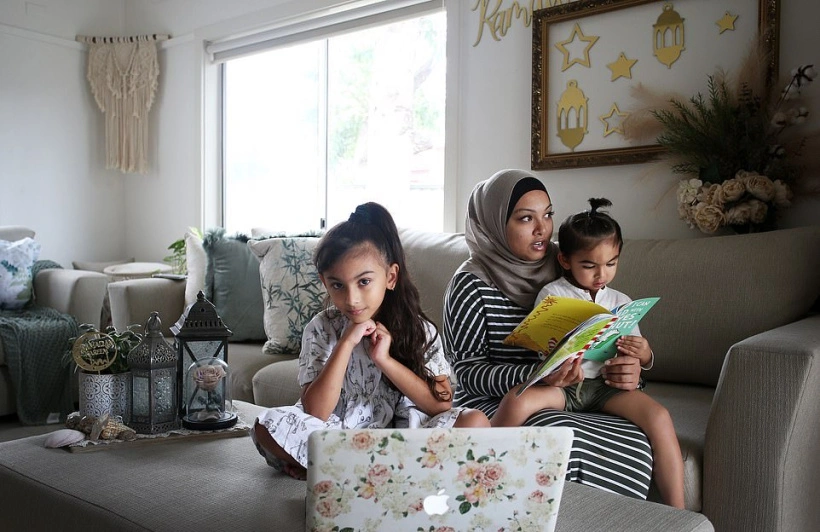
The Centre for Journalism and Trauma Asia Pacific and the Global Center for Journalism and Trauma have announced the 25 journalists selected for the 2026 Early Childhood Reporting Institute, to be held November 11–13 in Melbourne, Australia.
The Centre for Journalism and Trauma Asia Pacific, in partnership with the Global Center for Journalism and Trauma, has selected 25 journalists from across Australia to participate in its first Early Childhood Reporting Institute in the country.
The fellows will convene in Melbourne for three days of expert briefings, panels, workshops, skills-based sessions and peer-to-peer conversations focused on early childhood development and rigorous, ethical reporting on young children and their caregivers.
Grounded in Australian culture and context and drawing on regional and international expertise, the institute will focus on trauma-informed and culturally aware reporting on children and caregivers. Fellows will explore how early childhood intersects with issues including inequality, education, health, housing, childcare, disaster recovery, workforce participation and social policy.
“When we launched the Early Childhood Journalism Initiative in 2017, our aim was to help journalists bring the science of early childhood development into their reporting while keeping young children and caregivers at the center,” said Irene Caselli, who leads GCJT’s Early Childhood Journalism Initiative. “Since then, the initiative has evolved to encompass institutes, fellowships, webinars, reporting grants and a growing global network of journalists. Bringing this work to Australia is an opportunity to learn from reporters working in a distinct cultural and policy context and to continue strengthening how the initiative responds to the needs of journalists and the communities they cover.”
“Reporting on young children and caregivers requires more than good intentions. It calls for an understanding of trauma, culture and power, as well as approaches that protect people’s dignity while producing rigorous and accountable journalism,” said Dr. Cait McMahon OAM, director and consultant at the Centre for Journalism and Trauma Asia Pacific. “This institute offers an important opportunity to support journalists in applying those principles within the Australian context, while learning from the experience and perspectives of a diverse national cohort.”
Following the institute, each fellow will receive a $3,000 story grant and six months of editorial mentorship as they pursue an original reporting project focused on early childhood. The program will also provide opportunities for knowledge-sharing, source development and collaboration, strengthening a network of Australian journalists committed to covering young children and their caregivers with accuracy, depth and sensitivity.
The institute is part of GCJT’s Early Childhood Journalism Initiative, a multiyear program that provides journalists around the world with knowledge, skills, financial support and other resources to expand and deepen reporting on the youngest children and their caregivers — particularly at the intersection of inequality, education, public health, and social and economic policy.
The Early Childhood Journalism Initiative is made possible through the support of the Van Leer Foundation in the Netherlands, Minderoo Foundation in Australia, Fundação Maria Cecilia Souto Vidigal in Brazil and The Two Lilies Fund in the United States.
Click the link to learn more about the 2026 selected jouranlists.
What we do
The Centre for Journalism and Trauma Asia Pacific equips journalists with the skills to handle the toughest assignments. Our expert journalism-focused, evidence based training, consultation and webinars give reporters practical tools to manage trauma exposure, stay focused, and keep doing the work that matters.
We help journalists make sense of their own reactions, protect their wellbeing, and enhance their craft while helping newsrooms understand how repeated trauma exposure shapes staff performance, safety and decision‑making.
Our fellowships, tip sheets, consultation to news organisations and thought‑leadership keep journalists ahead of emerging trauma‑related challenges across the region out in the field or in the digital sphere.
Custom Training
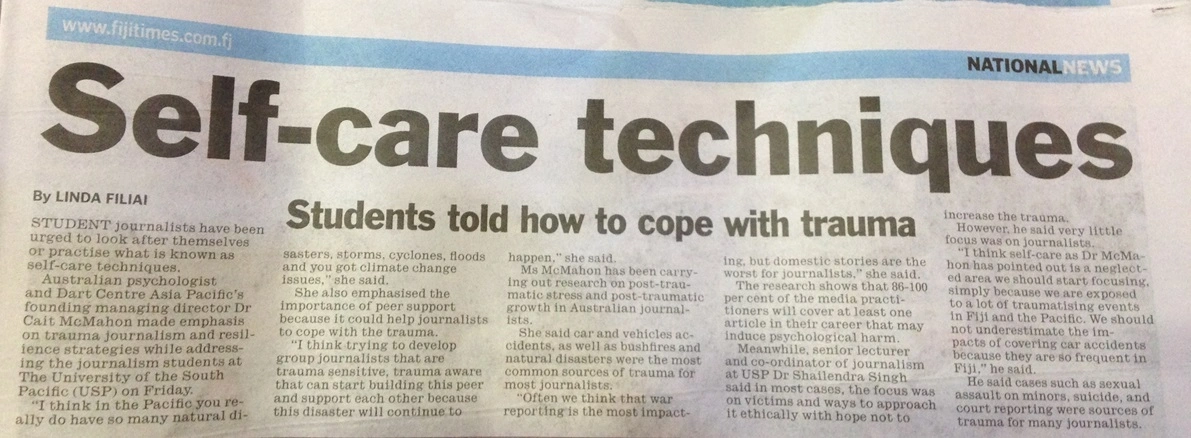
We design and deliver training that is relevant and focussed from specialist workshops on trauma-informed leadership, interviewing survivors and staying safe under pressure and trauma expsoure. Available online or face‑to‑face, built around the needs of the team.
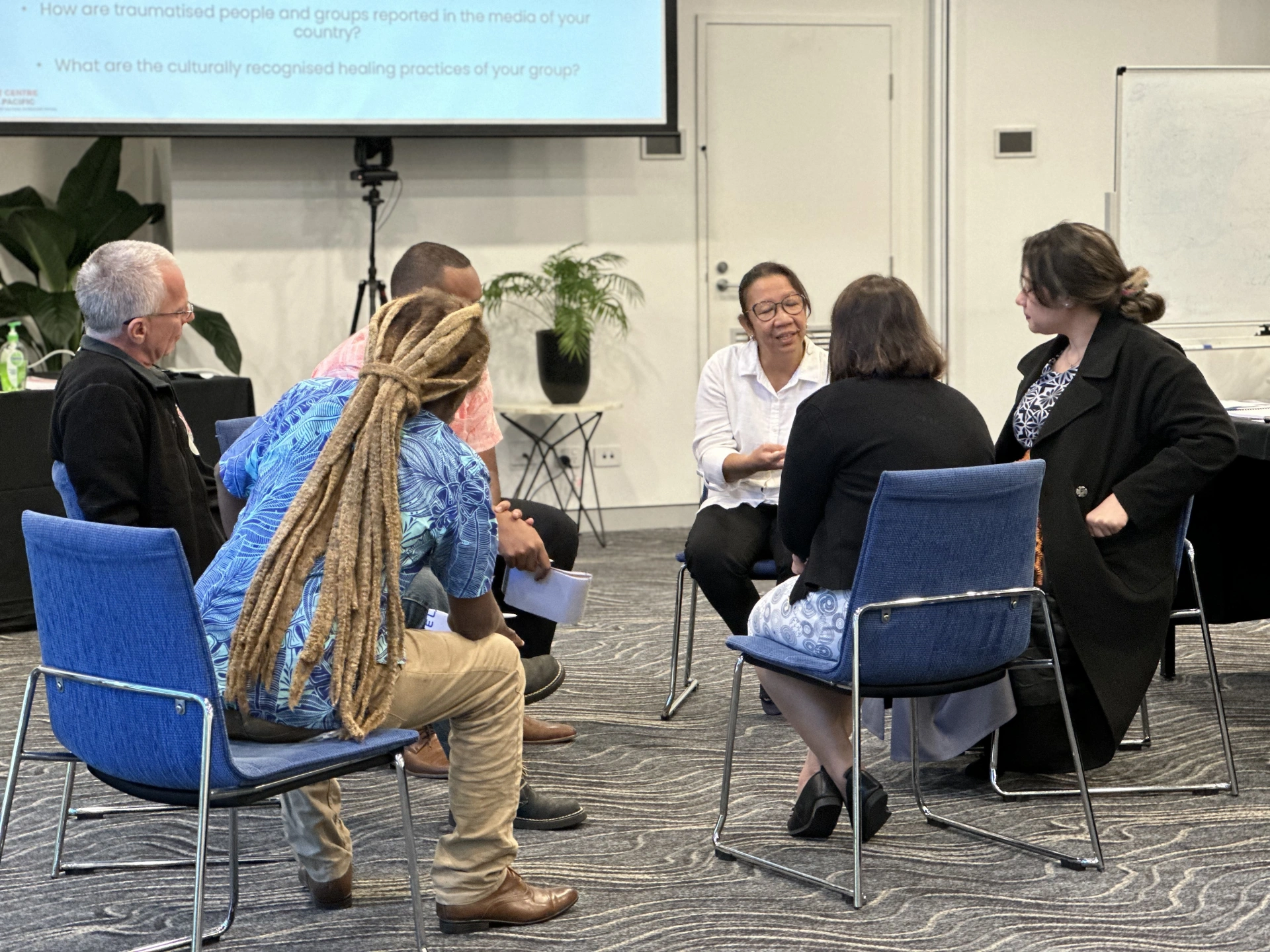
Fellowships and multi-day programs
With support of generous donors and funders, we are able to offer multi-day programs that allow journalists to gain deep insight into their experiences, share with their peers and build powerful protective strategies.

Peer Support Programs
We have over 20 years’ experience building peer support programs that last. We help organisations choose the right model, train their people, and assist in maintaining the program long‑term. This includes cross‑industry networks.
Our projects

TFGBV and hate speech
In May 2026, we delivered a four-day in-person workshop for journalists from the Mekong Region on a fellowship on pushing back against Technology Facilitated Gender Based Violence and hate speech. This workshop was part of a three-stage program funded by UNESCO and will continue through 2026
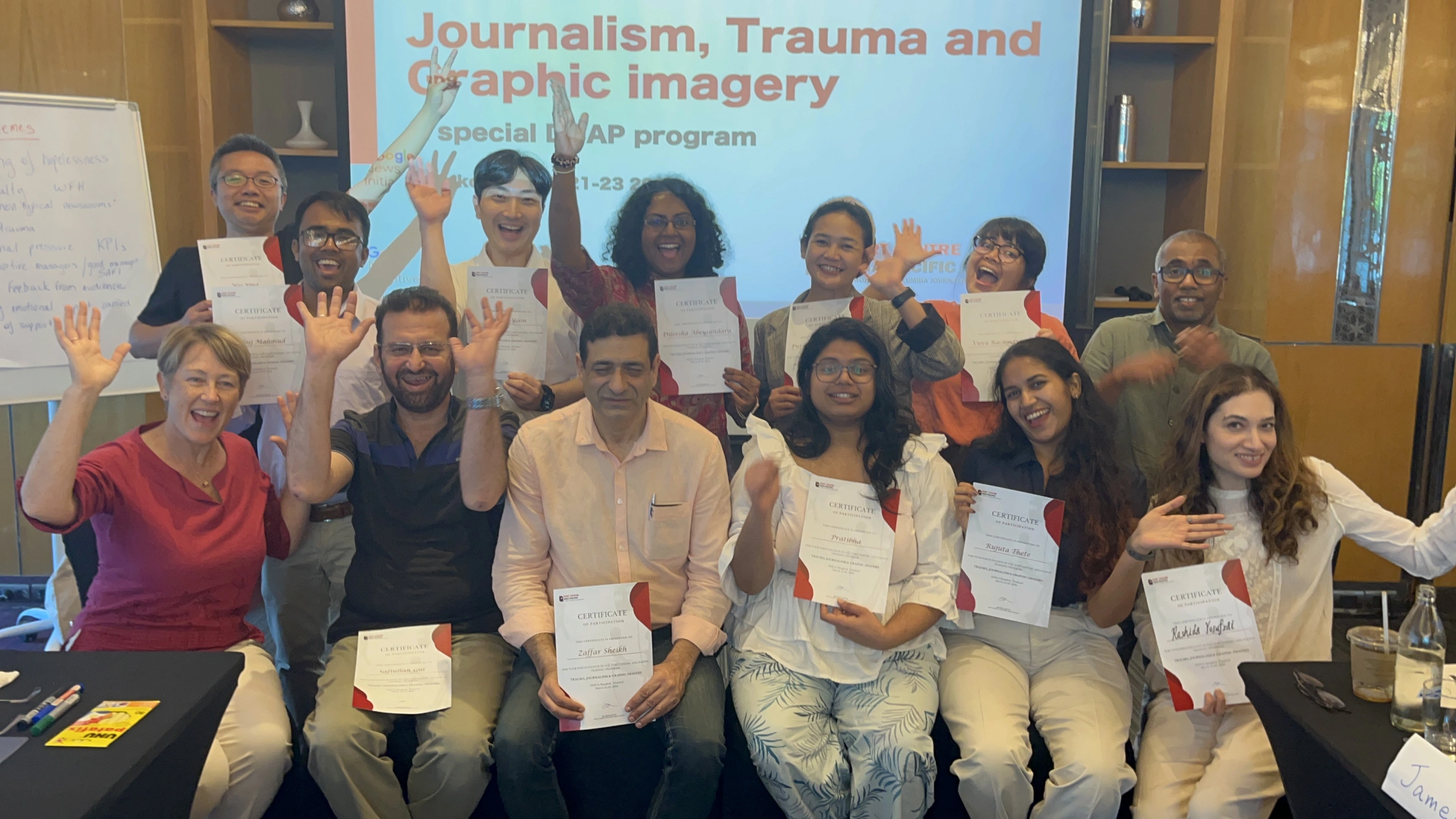
Journalism, Trauma and Graphic Imagery
A 3-day program held in Bangkok, Thailand for journalists across Asia dealing with the impact of imagery from the Israel-Gaza conflict.App Development
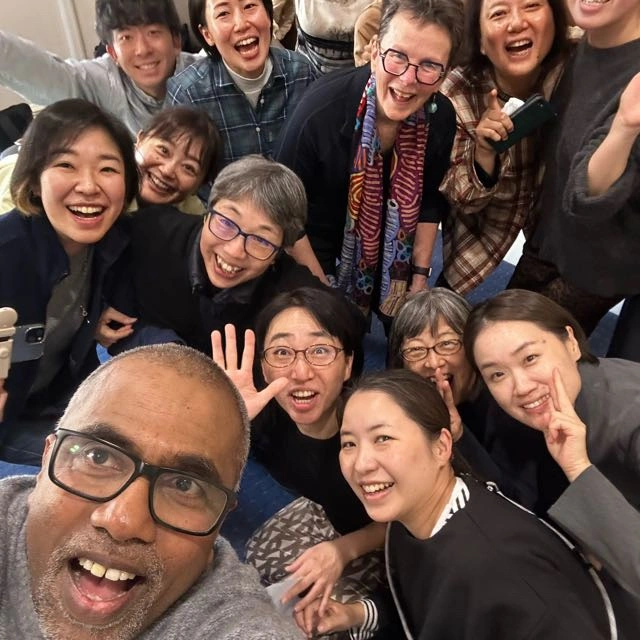
Association of Japanese Journalists
A four day program learning about trauma, journalism and resilience
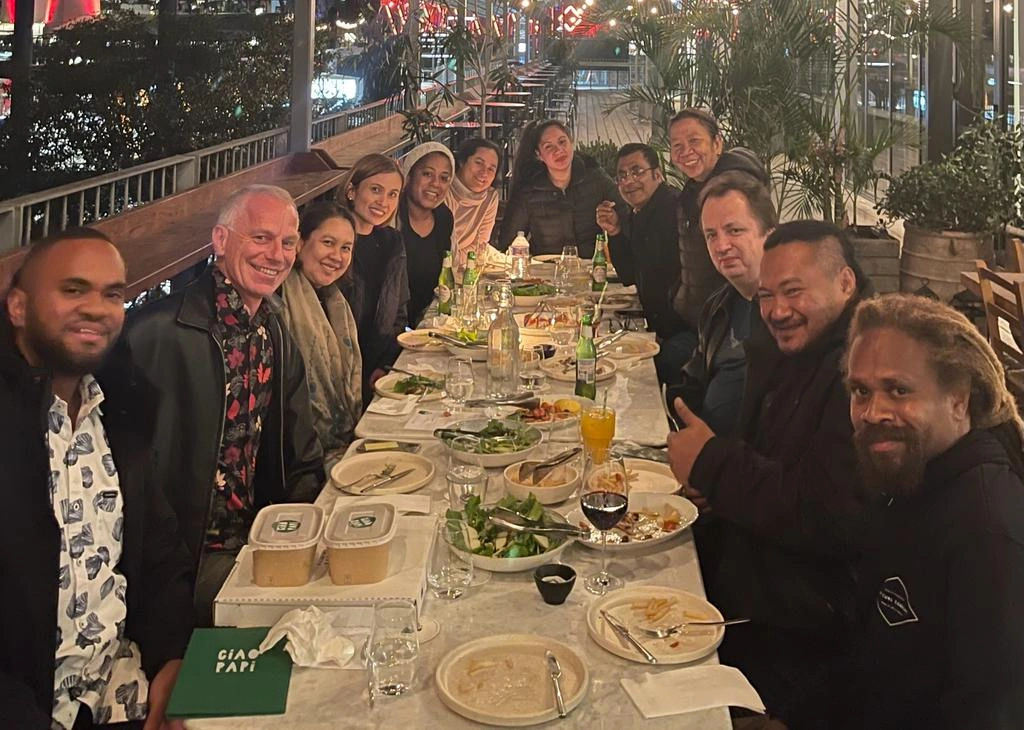
AsPac Fellowships
Our flagship fellowship program where we bring a small group of journalists selected through an application process from across the Asia Pacific region to share and learn from us and each other.
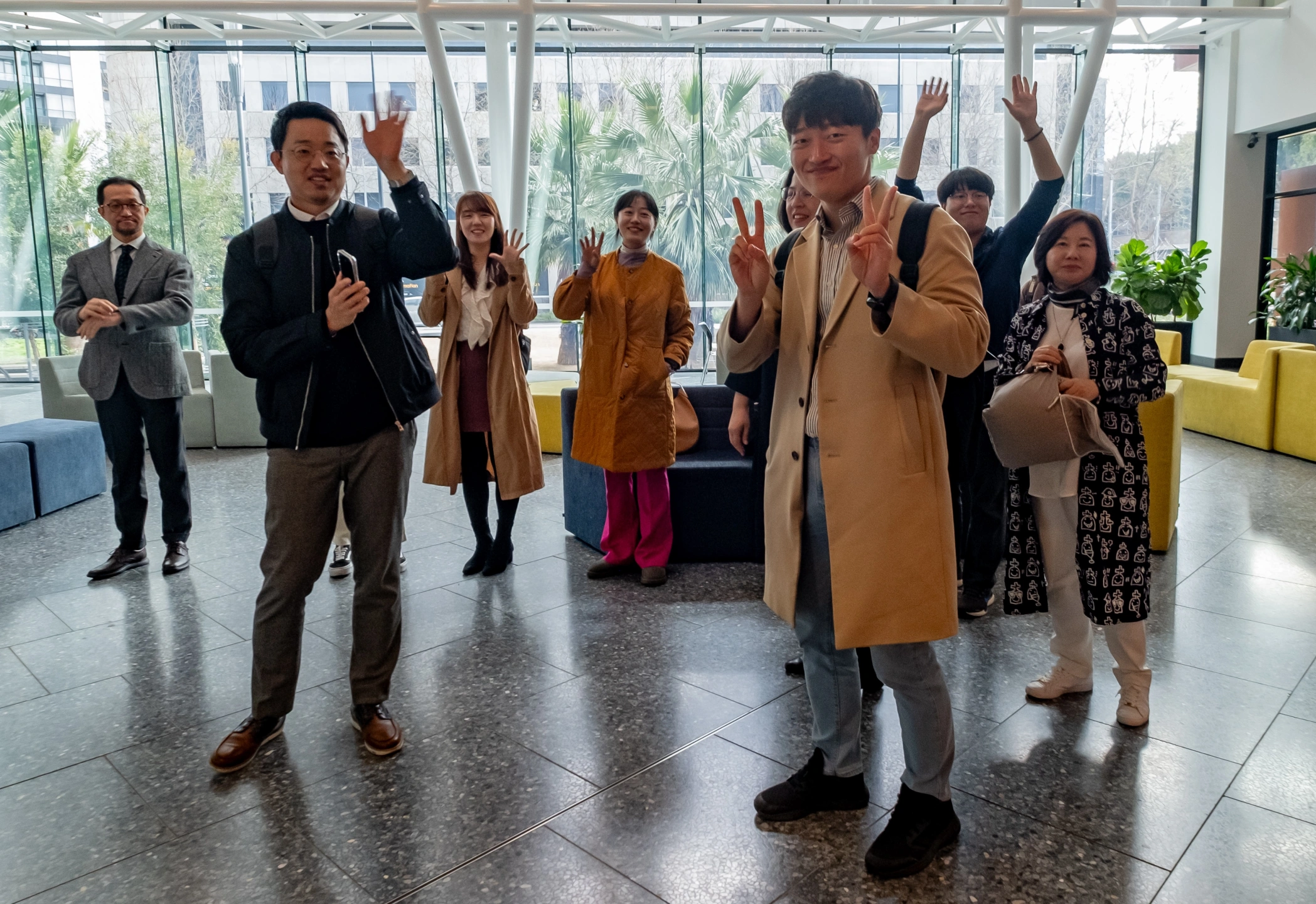
Trauma Informed Disaster Reporting Training
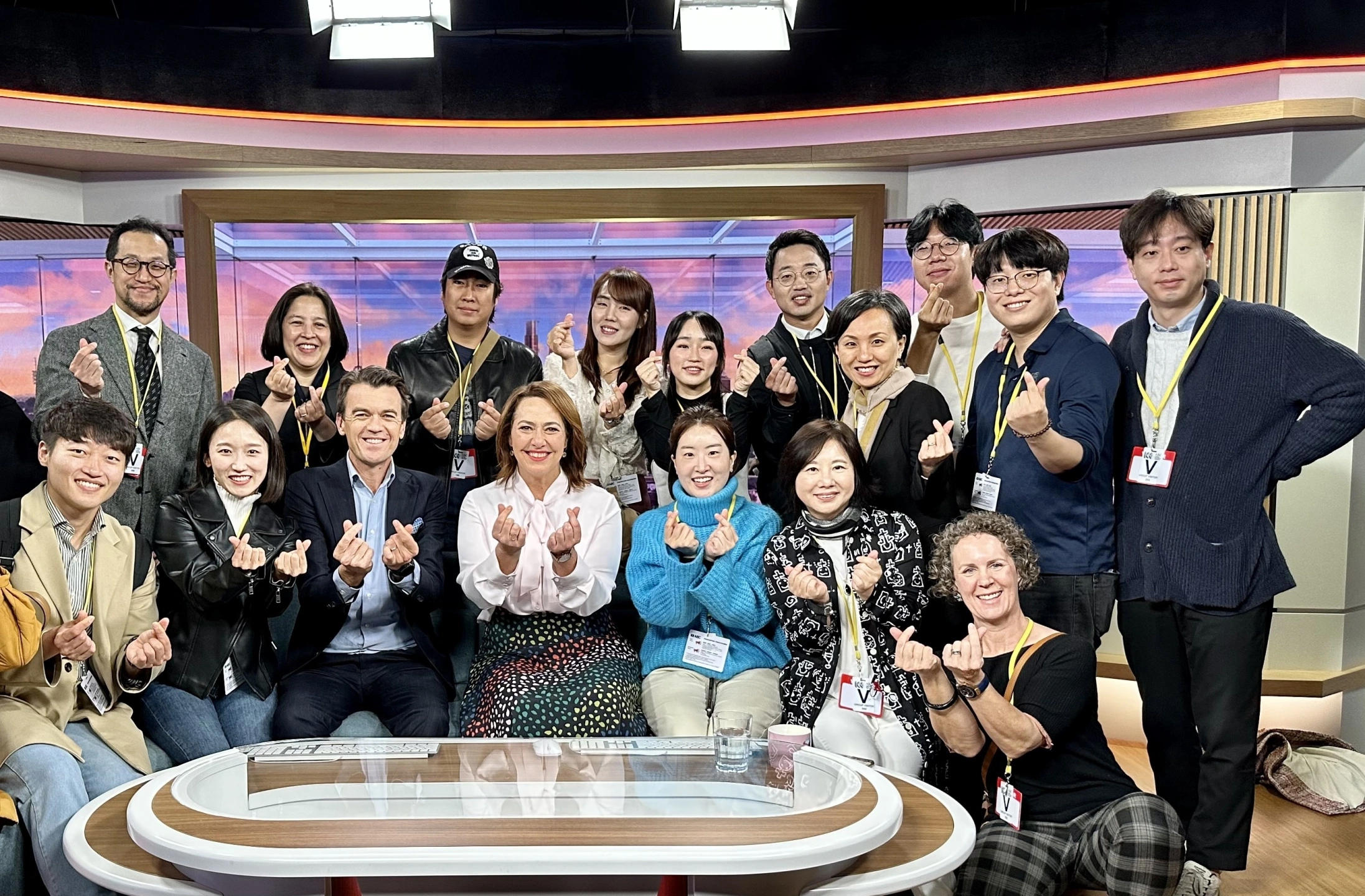
A 5-day intensive program held in Melbourne, Australia for members of the Korean Broadcast Journalists Association.

Koori Mail
This retreat style program held in Southern Queensland was a bespoke, culturally informed program for First Nations journalists in the aftermath of the Northern Rivers floods (Australia).
Our Team
Our team has a depth of experience in trauma, journalism, and research. Dr Cait McMahon is a psychologist who has worked with journalists for over 30 years and founded Dart Centre Asia Pacific (now CJT) in 2004. Amantha Perera is a journalist and PhD candidate researching the impact of digital harrassment and violence on journalists. Dr Kimina Lyall is a former journalist who now has a private practice as a clinical psychologist who specialises in trauma healing.

Dr Cait McMahon OAM
Founding director and consultant
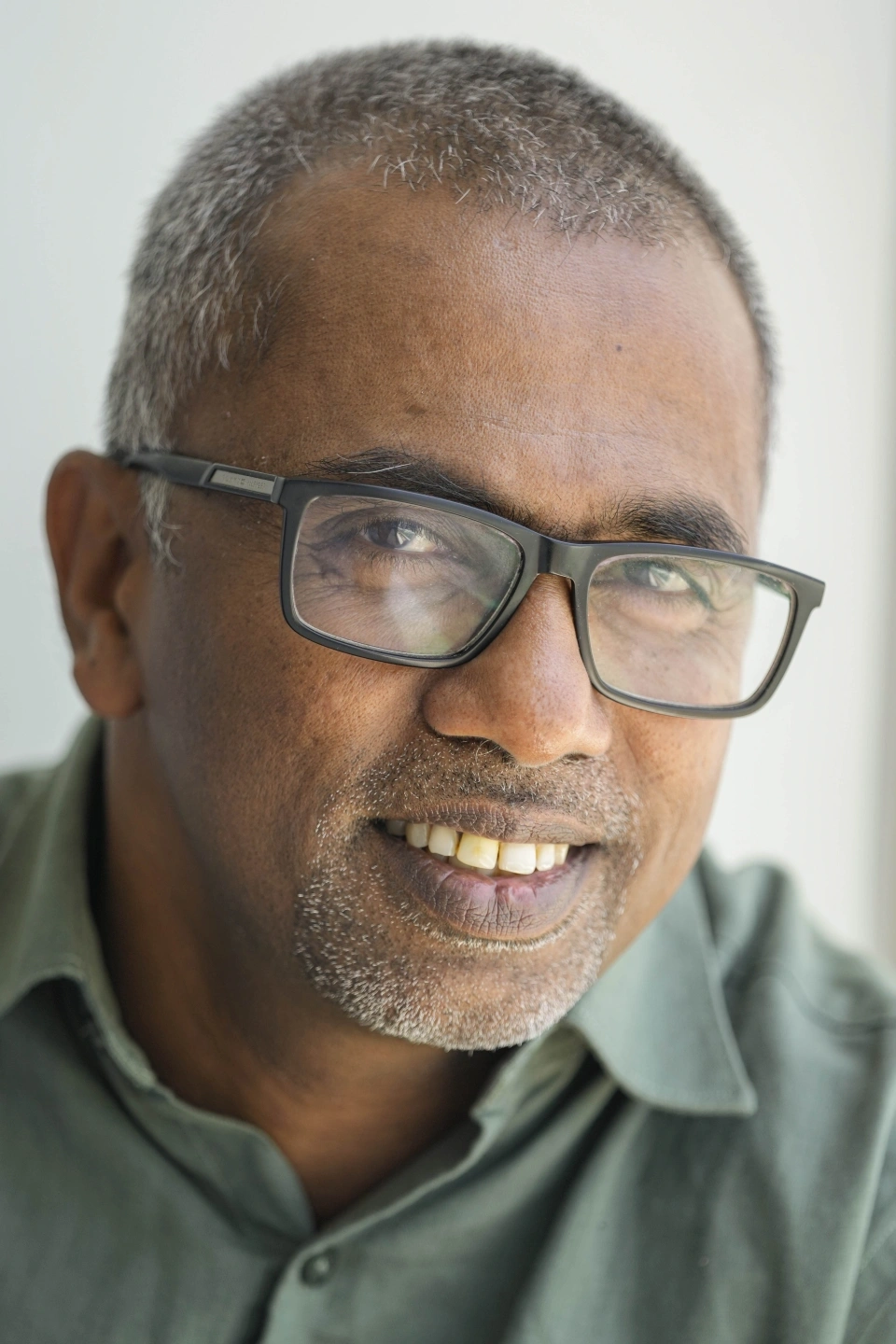
Amantha Perera
Director and consultant

Dr Kimina Lyall
Director and consultant
Resources
We have dozens of tip sheets and other resources to support journalists across the region. Reach out to us at cjt@cjt.org
Our tip sheets include support for
-technology facilitated threats
-interviewing trauma survivors
-vicarious trauma
-covering disasters
Our clients and supporters
We are grateful to all the organisations who have engaged our services, and to the generous funders who make it possible for us to connect with journalists across the region who would otherwise have no access to our programs

Journalists Association of Korea
Korea

SBS
Australia

ABC
Australia

SPH
Singapore

Google News Initiative
Asia

The Guardian
Australia

Internews
Asia

Nine
Australia
Support our work
Many of the programs and initiatives we deliver are only made possible through private, corporate or government funding support.
Please consider donating using the button below or contact us to discuss sponsorship or partnership opportunities.
Centre for Journalism and Trauma is endorsed as a Deductible Gift Recipient (DGR) from 02 Jan 2007
Testimonials
Get in touch!
Our Privacy Policy
Centre for Journalism and Trauma Asia Pacific (formerly Dart Centre Asia Pacific) is committed to providing quality services to journalists across the Asia Pacific region. The services we provide may require the collection of some Personal Information. This policy outlines our ongoing obligations to you in respect of how we manage your Personal Information.
We have adopted the Australian Privacy Principles (APPs) contained in the Privacy Act 1988 (Cth) (the Privacy Act). The NPPs govern the way in which we collect, use, disclose, store, secure and dispose of your Personal Information.
A copy of the Australian Privacy Principles may be obtained from the website of The Office of the Australian Information Commissioner at https://www.oaic.gov.au/.
What is Personal Information and why do we collect it?
Personal Information is information or an opinion that identifies an individual. Examples of Personal Information we collect includes names, addresses, email addresses, and phone numbers.
This Personal Information is obtained in many ways including, but not limited to: your attendance at our training sessions; your applications for our fellowship and other programs; data provided to us by your employer for the purpose of assisting us to offer or provide you with training or support; recommendations or contacts from your colleagues and other media professionals; data obtained from you when you are signed up to our mailing list or provide us with donations.
We collect your Personal Information for the primary purpose of providing our services to you, providing information to our clients and marketing. We may also use your Personal Information for secondary purposes closely related to the primary purpose, in circumstances where you would reasonably expect such use or disclosure. You may unsubscribe from our mailing/marketing lists at any time by contacting us in writing.
When we collect Personal Information, we will, where appropriate and where possible, explain to you why we are collecting the information and how we plan to use it.
Sensitive Information
Sensitive information is defined in the Privacy Act to include information or opinion about such things as an individual's racial or ethnic origin, political opinions, membership of a political association, religious or philosophical beliefs, membership of a trade union or other professional body, criminal record or health information.
Sensitive information will be used by us only:
• For the primary purpose for which it was obtained
• For a secondary purpose that is directly related to the primary purpose
• With your consent; or where required or authorised by law.
Third Parties
Where reasonable and practicable to do so, we will collect your Personal Information only from you. However, in some circumstances we may be provided with information by third parties. In such a case we will take reasonable steps to ensure that you are made aware of the information provided to us by the third party.
Disclosure of Personal Information
Your Personal Information may be disclosed in a number of circumstances including the following:
• Third parties where you consent to the use or disclosure; and
• Where required or authorised by law.
Security of Personal Information
Your Personal Information is stored in a manner that reasonably protects it from misuse and loss and from unauthorized access, modification or disclosure.
When your Personal Information is no longer needed for the purpose for which it was obtained, we will take reasonable steps to destroy or permanently de-identify your Personal Information. However, most of the Personal Information is or will be stored in client files which will be kept by us for a minimum of 7 years.
Access to your Personal Information
You may access the Personal Information we hold about you and to update and/or correct it, subject to certain exceptions. If you wish to access your Personal Information, please contact us in writing.
Centre for Journalism and Trauma Asia Pacific will not charge any fee for your access request, but may charge an administrative fee for providing a copy of your Personal Information.
In order to protect your Personal Information we may require identification from you before releasing the requested information.
Maintaining the Quality of your Personal Information
It is an important to us that your Personal Information is up to date. We will take reasonable steps to make sure that your Personal Information is accurate, complete and up-to-date. If you find that the information we have is not up to date or is inaccurate, please advise us as soon as practicable so we can update our records and ensure we can continue to provide quality services to you.
Policy Updates
This Policy may change from time to time and is available on our website.
Privacy Policy Complaints and Inquiries
If you have any queries or complaints about our Privacy Policy please contact us at: